
IBD Treatment

IBD Treatment in Ahmedabad

Ulcerative colitis and Crohn’s disease get grouped together as inflammatory bowel disease (IBD) often enough that people assume they’re treated identically, but they behave differently in ways that directly shape surgical decision-making. Ulcerative colitis is confined to the colon, which means removing the colon can be curative in a way that surgery for Crohn’s disease which can affect any part of the digestive tract and tends to recur even after resection simply isn’t. This distinction matters as much in surgical planning as it does in day-to-day medical management.

Dr. Vasistha Jajal works alongside gastroenterologists managing IBD medically, stepping in surgically when medication no longer controls the disease, or when complications like strictures, fistulas, or bleeding develop.

What IBD Surgical Treatment Actually Involves

IBD surgery is considered when medical management typically led by a gastroenterologist, no longer adequately controls the disease, or when a specific complication develops that medication can’t resolve on its own.

Disease Extent Mapping

Colonoscopy and imaging determine how much of the digestive tract is affected and by which condition.

Medical Response Review

Ongoing communication with the treating gastroenterologist tracks how well medication is controlling the disease.

Complication Assessment

Strictures, fistulas, abscesses, or bleeding are evaluated separately, since each may need a different surgical response.

Surgical Planning

The extent and type of surgery is planned based on disease pattern curative for ulcerative colitis, targeted for Crohn's.

Post-Surgical Coordination

Ongoing management after surgery continues jointly with gastroenterology, particularly for Crohn's disease.

Avoids Premature Surgery

Surgery is considered only once medical options have been genuinely exhausted or a complication demands it.
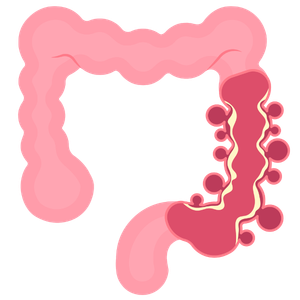
Matches Extent to Disease

Ulcerative colitis surgery can be more definitive, while Crohn's surgery is deliberately more limited.
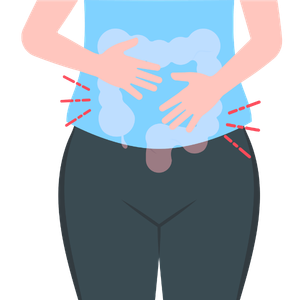
Reduces Recurrence Impact

Recognising Crohn's tendency to recur shapes how much bowel is removed during surgery.

Maintains Nutritional Function

Careful surgical planning preserves as much functional bowel length as possible, especially in Crohn's.
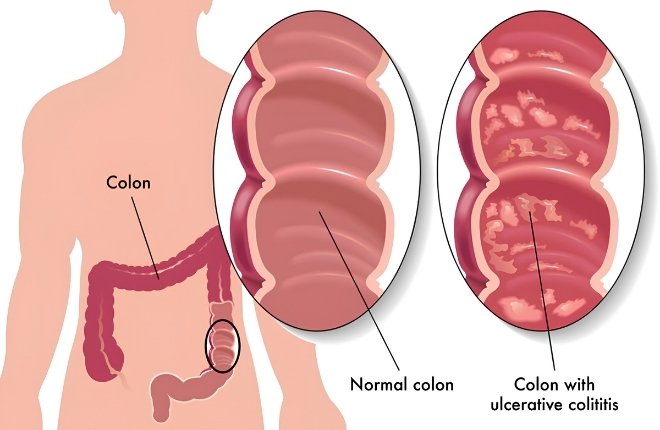
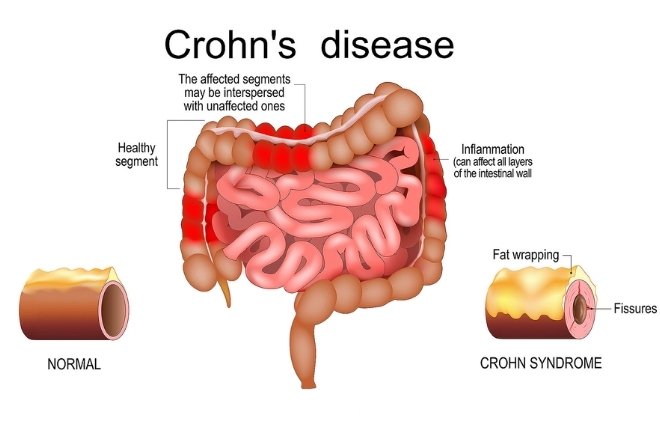
Ulcerative Colitis vs. Crohn's : Why the Surgical Goal Is Completely Different

The fundamental difference between these two conditions changes what surgery is actually trying to achieve.

Ulcerative Colitis

Ulcerative colitis is confined entirely to the colon and rectum, which is exactly why removing the colon (colectomy) can act as a definitive, curative step rather than just another line of treatment. This is considered when medical management fails to control the disease, or when complications like severe bleeding or a significant risk of colon rupture develop.

Crohn's Disease

Crohn’s disease can affect any part of the digestive tract from mouth to anus, appearing in patches rather than one continuous stretch which is why surgery here isn’t curative the way it can be for ulcerative colitis. Removing an affected segment resolves that specific problem, but the disease can resurface elsewhere later, so surgery is used selectively: widening narrowed strictures without removing bowel where possible, and addressing fistulas individually based on which structures are involved.

When Should You Seek an IBD Specialist?

IBD symptoms often fluctuate between flares and quieter periods, and it’s typically a change in this pattern – a flare that won’t settle, or a new complication that brings a patient from gastroenterology-led care into a surgical conversation.

Persistent diarrhea lasting several weeks or longer

Abdominal pain that worsens despite medication adjustment

Blood or mucus mixed with stool regularly

Signs of an abscess or fistula near the anus

Unexplained weight loss during an active flare

Symptoms of bowel obstruction such as severe bloating
Dr. Vasistha Jajal's Role in IBD Surgical Care

Dr. Vasistha Jajal’s gastrointestinal surgical training includes managing the surgical side of IBD alongside gastroenterology-led medical treatment, with particular attention to the different surgical philosophy each condition demands a more definitive approach for ulcerative colitis when appropriate, and a deliberately conservative, bowel-preserving approach for Crohn’s disease.

Across more than 5,000 operations, IBD-related surgery reflects the broader principle applied throughout his practice: matching the surgical approach to what the specific disease pattern and complication actually require, working in ongoing coordination with the referring gastroenterologist rather than making surgical decisions in isolation.

Years of Experience
0 +
Surgeries Performed
4500 +
Key Surgical Areas
0 +
Start Your Surgical Journey in Three Simple Steps

Reach out to the clinic by phone or fill out the online consultation form.

Book Your Appointment

Choose a convenient consultation time and confirm your appointment.

Meet Dr. Vasistha Jajal for an evaluation and discuss your treatment options
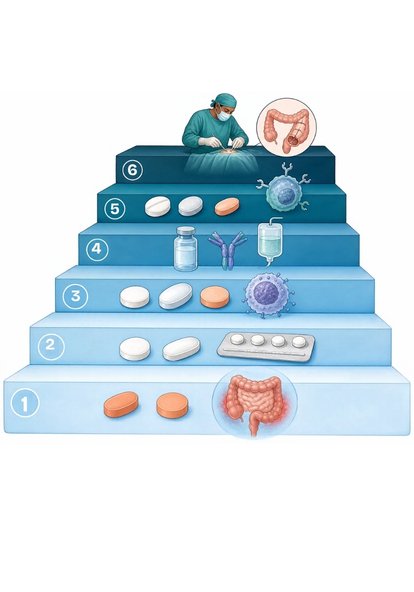

Inside the Operating Room

For ulcerative colitis requiring surgery, colectomy is performed, often laparoscopically, with bowel continuity restored where suitable through a pouch procedure connecting the small intestine to the anus, or, in some cases, a permanent stoma. For Crohn’s disease, surgery is typically a more limited bowel resection targeting the specific diseased segment, or a stricture-widening procedure that avoids removing bowel altogether. Procedure length varies considerably, from about two hours for a limited resection to longer for a full colectomy with pouch reconstruction.

+91-96874 86618

What Sets This IBD Surgical Practice Apart

A look at how condition-specific philosophy, gastroenterology coordination, and complication handling shape outcomes in IBD surgical care specifically.

Case Volume

Over 2,000 operations performed, including inflammatory bowel disease surgical management.
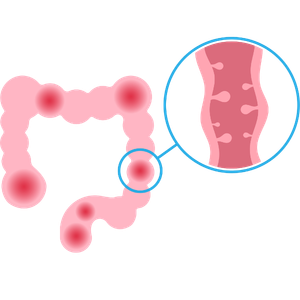
Condition-Specific Philosophy

Definitive approach for ulcerative colitis, bowel-preserving approach for Crohn's disease.

Rank Credentials

Second rank nationally in the All India Super Specialty Examination during surgical training.
Gastroenterology Coordination

Surgical timing and technique planned jointly with the treating gastroenterologist.

Complication-Specific Technique

Strictures, fistulas, and abscesses each addressed with the approach suited to that problem.

Bowel Length Preservation

Crohn's surgery planned to preserve future bowel length, not just resolve the current issue.

What Patients Ask About IBD Treatment

Yes, removing the entire colon can be curative for ulcerative colitis, since the disease is confined there.

No, Crohn’s can recur in a new location even after surgery, so operations address specific problems, not the whole disease.

Typically when medication no longer controls symptoms, or when a complication like a stricture or fistula develops.

Yes, in select cases a stricture-widening procedure can treat the narrowing without resecting the bowel segment.

Often yes, particularly for Crohn’s disease, to reduce the chance of the disease recurring elsewhere.

Considering Surgery for Ulcerative Colitis or Crohn's Disease?

If your gastroenterologist has raised surgery as an option, or if you're dealing with a complication like a stricture, fistula, or a flare that isn't responding to medication, a surgical evaluation can clarify what's actually involved for your specific situation. Book a Consultation with Dr. Vasistha Jajal

About Us

Dr. Vasistha Jajal is a Gastrointestinal and Hepato-Pancreato-Biliary (HPB) Surgeon in Ahmedabad with 10+ years of experience in gastrointestinal surgery. His practice includes laparoscopic, robotic, HPB and gastrointestinal cancer surgery, along with endoscopic procedures. With 5,000+ gastrointestinal and hepatobiliary operations performed, he provides surgical evaluation and treatment for a wide range of digestive, liver, pancreas, gallbladder and bile duct conditions.

Copyright © 2026 Dr. Vasistha Jajal | Designed by EEG Technogeeks 

Scroll to Top