Gallbladder Stone Surgery
Gallbladder Stone Surgery in Ahmedabad
Gallstones don’t dissolve with diet changes or medication in most cases, no matter how often that gets suggested informally. Once stones are confirmed on imaging and are causing symptoms, the gallbladder itself is usually the more reliable long-term solution, since stones tend to re-form or multiply as long as the organ that produces them stays in place. Removing the gallbladder doesn’t affect digestion in any way that requires long-term dietary restriction for most people.
Dr. Vasistha Jajal has performed gallbladder removal (cholecystectomy) as one of the most frequent procedures across his surgical practice, almost always using a laparoscopic approach. This page explains when surgery is actually necessary, how silent stones differ from symptomatic ones, what the operation involves, and what recovery looks like in practice.
What Gallbladder Stone Surgery (Cholecystectomy) Actually Means
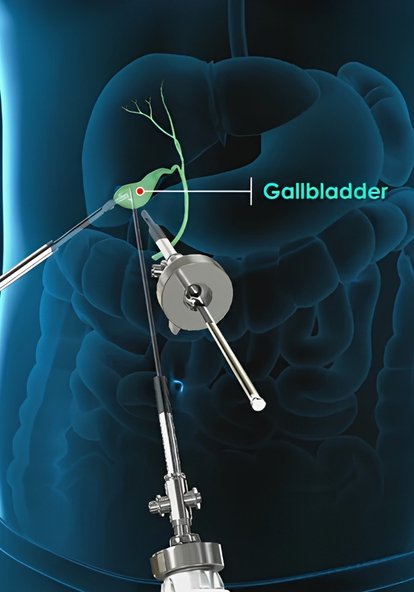
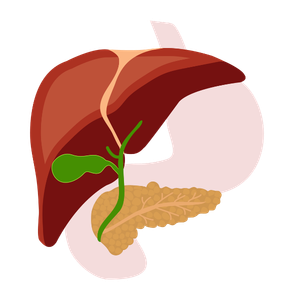
Cholecystectomy removes the entire gallbladder, not just the stones inside it, since the organ itself is what allows stones to keep forming.
Stone Confirmation
Ultrasound confirms the presence, size, and number of stones before surgery is planned.
Small Incision Access
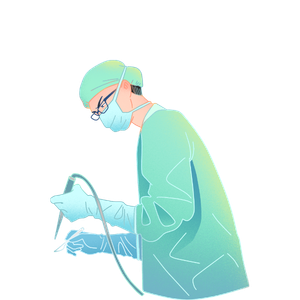
Four small incisions allow a camera and instruments to reach the gallbladder without a large abdominal cut.
Duct Identification
The cystic duct and cystic artery connecting the gallbladder to the bile duct are carefully identified and sealed.
Gallbladder Detachment
The gallbladder is separated from the liver bed where it sits, using controlled dissection.
Complete Removal
The gallbladder, stones included, is removed through one of the small incisions inside a retrieval bag.

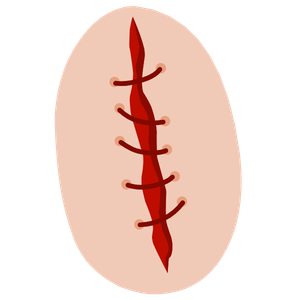
Four small incisions leave far less visible scarring than a single large abdominal cut.
Reduced muscle cutting means less pain in the days following surgery.

Many patients go home the same day or after one night, depending on case complexity.
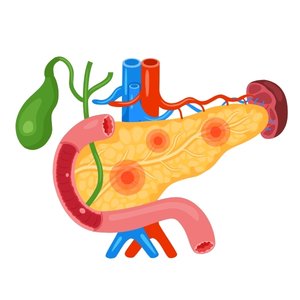
Timely removal avoids infection, blockage, or pancreatitis that untreated stones can cause.
When Gallbladder Stone Surgery Isn't Always Immediate
Not every stone found on a scan needs surgery right away, and the distinction matters for how the case is managed.
Silent Gallstones
found incidentally during a scan for an unrelated reason, often don’t need immediate surgery if there are no symptoms and no complicating factors like a large stone size or a thickened gallbladder wall.
Symptomatic stones
causing recurring pain, especially after fatty meals are usually recommended for surgery, since symptoms tend to recur and worsen over time rather than settle permanently.
Complicated stone disease
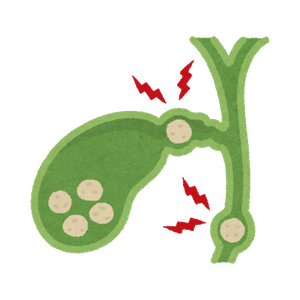
including infection (cholecystitis), a stone blocking the bile duct, or gallstone pancreatitis, needs surgery on a more urgent timeline, sometimes during the same hospital admission.
When Should You See a Specialist for Gallbladded Stone Surgery
Gallstone pain has a fairly recognisable pattern, but it’s often mistaken for general indigestion until it becomes frequent enough to investigate. Recognising how it behaves, where it sits, when it strikes, and how long it lasts is usually what prompts an ultrasound in the first place.
Pain in the upper right abdomen after meals
Pain radiating toward the right shoulder blade
Nausea or vomiting following fatty or fried food
Dr. Vasistha Jajal’s research interests through his super-specialty training have specifically included gallbladder, pancreas, and bile duct diseases, which is reflected in how gallstone cases are assessed at this practice, not just whether stones are present, but how they’re likely to behave over time based on size, number, and gallbladder wall condition.
Across more than 5,000 operations, gallbladder removal is among the most frequently performed procedures, with laparoscopic technique used in the large majority of cases. Complicated presentations be it infected gallbladders, bile duct stones, or gallstone pancreatitis draw on his focused hepato-pancreato-biliary training from his time at one of India’s established centres for GI and HPB surgery.
A standard laparoscopic cholecystectomy takes around 45 minutes to an hour under general anaesthesia. If the gallbladder is significantly inflamed, scarred from previous episodes, or the anatomy around the bile duct is unclear, the operation may take longer or, in a small number of cases, be converted to open surgery for safety. This decision is made in the interest of protecting the bile duct from injury, which is the most serious risk this surgery is designed to avoid.
What Sets This Gallbladder Surgery Practice Apart
A look at how research focus, case volume, and complication handling shape outcomes in gallstone surgery specifically.

Case Volume
Over 2,000 operations performed, with gallbladder removal among the most frequently repeated procedures.
Research Focus
Research interest in gallbladder, pancreas, and bile duct disease during super-specialty training.

Rank Credentials
Second rank nationally in the All India Super Specialty Examination during surgical training.

Complication Handling
Direct experience managing infected, scarred, and bile-duct-involved gallbladder cases, not only routine ones.
Bile Duct Caution
Conversion to open surgery chosen without hesitation whenever bile duct anatomy is unclear.

Same Day Pathway
Same-day or next-morning discharge managed as standard for uncomplicated gallstone cases.
What Patients Ask About Gallbladder Stone Surgery
Can gallstones be dissolved without surgery?
Medication-based dissolution exists but works slowly, only for specific stone types, and stones often return once treatment stops.
Will I need to follow a strict diet after surgery?
No long-term restriction is usually needed. Some people notice temporary sensitivity to very fatty meals in the first few weeks.
Can gallstones come back after gallbladder removal?
No, since the organ where stones form has been removed. Stones can only recur in the rare case of a retained bile duct stone.
Is it safe to delay surgery for silent gallstones?
Often yes, if there are no symptoms, though periodic monitoring is advised depending on stone size and gallbladder condition.
How soon can I go back to work after surgery?
Most people managing desk-based work return within a week; physically demanding jobs may need two to three weeks.
Living With Gallstone Symptoms Right Now?
If pain after meals has become a pattern rather than an occasional occurrence, it's worth getting an ultrasound rather than adjusting your diet around it indefinitely. Get your condition evaluated by Dr. Vasistha Jajal and understand whether surgery is the right approach for your condition.