
Fissure Treatment

Fissure Treatment in Ahmedabad

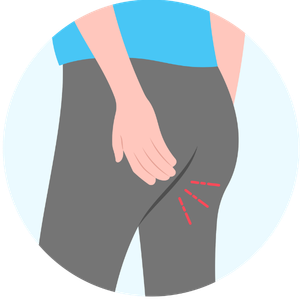
An anal fissure is a small tear, often just millimetres long, yet it causes pain disproportionate to its size because of how the surrounding muscle reacts to it. The internal sphincter muscle tends to go into spasm in response to the tear, and that spasm reduces blood flow to the area, which slows healing and keeps the fissure irritated a genuine cycle where the body’s own response to pain is part of what prevents it from resolving.

Dr. Vasistha Jajal treats anal fissures at both the acute stage, where most respond to targeted medical therapy that relaxes this muscle spasm, and the chronic stage, where a fissure that hasn’t healed within a few months often needs a procedure to break the cycle directly. 

What Fissure Treatment Actually Involves

Fissure treatment is aimed primarily at breaking the muscle spasm response that keeps the tear from healing, using either topical medication or, in chronic cases, a procedure that directly addresses the spasm.

Clinical Examination

A physical examination confirms the fissure's location and distinguishes acute from chronic presentation.

Sphincter Assessment

The degree of internal sphincter spasm is assessed, since this drives both symptoms and healing delay.

Topical Therapy

Muscle-relaxing topical medication is applied directly to reduce spasm and improve blood flow to the area.

Lifestyle Adjustment

Dietary fibre and stool softeners reduce straining, which is a common cause and aggravator of fissures.

Procedural Intervention

For fissures unresponsive to medical therapy, a procedure to relax the sphincter directly is considered.

Interrupts the Pain Cycle

Reducing spasm improves blood flow, allowing the fissure tissue to actually heal.

Reduces Bleeding Episodes

Healing the tear directly addresses the bleeding that often accompanies bowel movements.

Avoids Unnecessary Surgery

Most acute fissures heal with medical therapy alone, without ever needing a procedure.
Restores Normal Bowel Comfort

Resolving spasm reduces the fear-driven straining avoidance that can worsen constipation further.


Acute or Chronic - Why Duration Changes the Entire Treatment Approach

How long a fissure has been present is the single biggest factor in deciding what treatment it needs.

Acute Fissures

present for a few weeks or less, respond well to topical muscle-relaxing medication combined with dietary fibre and stool softening, in the majority of cases.

Chronic Fissures

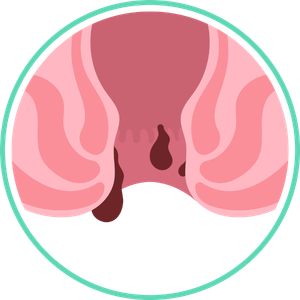
persisting beyond six to eight weeks despite proper medical therapy, often develop visible signs like a skin tag or exposed muscle fibres at the base, and rarely heal with topical treatment alone at this stage.

Recurrent Fissures

healing initially but returning repeatedly, suggest an underlying pattern often ongoing constipation or straining that needs addressing alongside fissure-specific treatment.

When Should You Seek A Fissure Treatment Specialist

Fissure pain has a fairly distinct pattern compared to other anorectal conditions, largely because of the muscle spasm involved, which is often what prompts someone to seek treatment sooner rather than assuming it’s a minor issue.

Sharp pain during and immediately after bowel movements

Pain lasting minutes to hours after passing stool

Anxiety around bowel movements due to anticipated pain

Bright red blood visible on stool or tissue

Constipation worsening from fear of triggering pain

A visible tear or skin tag near the anus
Dr. Vasistha Jajal's Experience with Fissure Cases

Dr. Vasistha Jajal’s broader gastrointestinal surgical training includes managing anorectal conditions such as fissures alongside more complex GI and HPB cases, with treatment decisions guided by fissure duration and response to medical therapy rather than defaulting to surgery at the first visit.

Across more than 5,000 operations, fissure cases needing surgical intervention are approached with attention to preserving normal continence function, since the sphincterotomy procedure involves the same muscle responsible for bowel control, making surgical precision particularly important here.

Years of Experience
0 +
Surgeries Performed
4500 +
Key Surgical Areas
0 +
Start Your Surgical Journey in Three Simple Steps

Reach out to the clinic by phone or fill out the online consultation form.

Book Your Appointment

Choose a convenient consultation time and confirm your appointment.

Meet Dr. Vasistha Jajal for an evaluation and discuss your treatment options

Inside the Operating Room

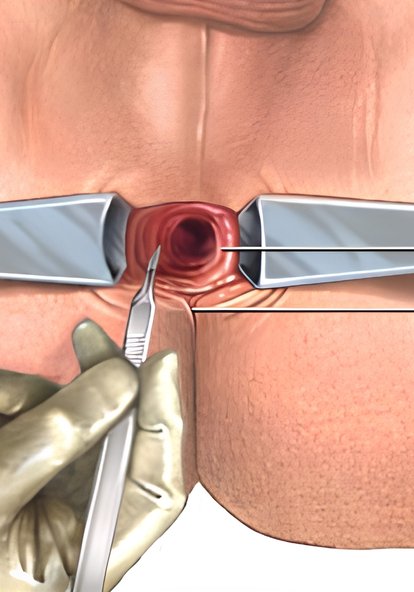
Lateral internal sphincterotomy, the standard surgical treatment for chronic fissures unresponsive to medical therapy, involves making a small, precise cut in a portion of the internal sphincter muscle to relieve the spasm causing the fissure to persist. This procedure typically takes 15 to 20 minutes under local, spinal, or general anaesthesia, and is usually done as a day-care procedure without requiring an overnight hospital stay.

+91-96874 86618

What Sets This Fissure Treatment Practice Apart

A look at how staging accuracy, continence-focused technique, and treatment sequencing shape outcomes in fissure care specifically.

Case Volume

Over 2,000 operations performed, including anorectal and general GI surgical procedures.
Staging Accuracy

Acute and chronic fissures distinguished clearly to guide medical versus procedural treatment.

Rank Credentials

Second rank nationally in the All India Super Specialty Examination during surgical training.

Continence Precision

Sphincterotomy performed with particular attention to preserving normal bowel control function.

Medical-First Approach

Adequate trial of topical therapy given before any procedure is recommended.

Recurrence Prevention

Underlying constipation or straining patterns addressed alongside fissure-specific treatment.

What Patients Ask About Fissure Treatment

Some very minor fissures heal on their own, but most benefit from topical treatment and dietary changes to heal properly.

Most acute fissures show improvement within two to four weeks of consistent topical treatment and lifestyle adjustment.

The procedure is designed to preserve continence, with impact on bowel control being uncommon when performed precisely.

Recovery discomfort is generally much less than the fissure pain itself, since the spasm causing pain is directly relieved.

Yes, particularly if underlying constipation or straining isn’t addressed, which is why lifestyle changes remain important.

A fissure is a tear causing sharp pain during bowel movements, while piles are swollen tissue causing painless bleeding, usually.

Dealing With Sharp Pain During Bowel Movements?

Pain that occurs specifically during and after passing stool, especially alongside visible bleeding, is worth getting examined properly rather than adjusting your diet indefinitely around the discomfort. Book a Consultation with Dr. Vasistha Jajal

About Us

Dr. Vasistha Jajal is a Gastrointestinal and Hepato-Pancreato-Biliary (HPB) Surgeon in Ahmedabad with 10+ years of experience in gastrointestinal surgery. His practice includes laparoscopic, robotic, HPB and gastrointestinal cancer surgery, along with endoscopic procedures. With 5,000+ gastrointestinal and hepatobiliary operations performed, he provides surgical evaluation and treatment for a wide range of digestive, liver, pancreas, gallbladder and bile duct conditions.

Copyright © 2026 Dr. Vasistha Jajal | Designed by EEG Technogeeks 

Scroll to Top