HPB Surgery
HPB Surgery in Ahmedabad
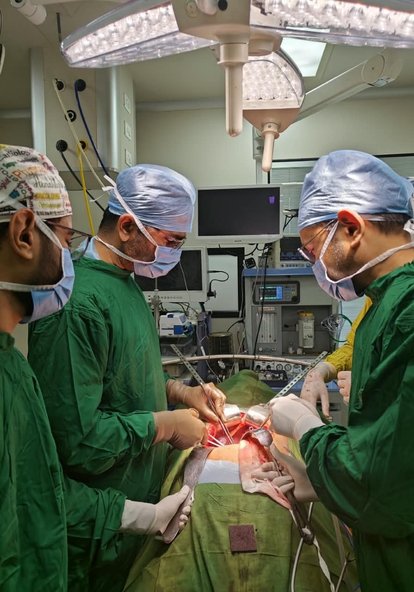
The liver, pancreas, and bile duct sit close together and share blood supply and drainage pathways so closely intertwined that disease in one frequently affects, or is caused by, one of the others a bile duct stone can trigger pancreatitis, a pancreatic tumor can obstruct the bile duct, a liver condition can affect bile flow entirely. This anatomical overlap is exactly why hepato-pancreato-biliary (HPB) surgery exists as its own dedicated sub-specialty within general surgery, rather than being treated as three separate, unrelated fields.
Dr. Vasistha Jajal completed focused super-specialty training in HPB and gastrointestinal surgery at one of India’s established centres for this field, following a second-rank result in the All India Super Specialty Examination.
What Sets HPB Surgery Apart From General GI Surgery
Robotic surgery uses a surgeon-controlled console and a set of wristed instruments to operate through small incisions, giving more precise, tremor-filtered control than the hand can achieve directly.
Vascular Proximity
The liver and pancreas sit adjacent to major blood vessels, requiring careful vessel mapping before any surgical plan.
Shared Drainage Systems
Bile duct, pancreatic duct, and liver function are interconnected, meaning disease often crosses organ boundaries.
Complex Reconstruction
Many HPB procedures involve rerouting digestive drainage, not just removing diseased tissue.
Functional Preservation
Surgery is planned around what remaining tissue needs to continue functioning afterward, not tissue removal alone.
Multidisciplinary Coordination
Cancer-related HPB cases are typically managed alongside oncology and gastroenterology teams.

Vessel mapping before surgery lowers the risk of significant intraoperative bleeding.
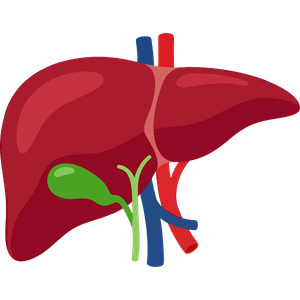
Careful planning preserves enough liver or pancreatic tissue to function normally afterward.
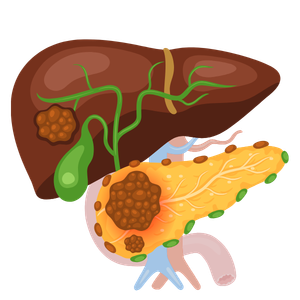
Multidisciplinary staging ensures HPB cancers are treated with the full picture in view.

Thorough initial planning reduces the chance of complications requiring repeat surgery.

How Disease in One Organ Often Involves the Others
Understanding HPB surgery starts with understanding how closely these three systems interact, rather than treating them as three unconnected areas of the abdomen.
Liver conditions
Tumors, cysts, or hepatocellular disease sometimes affect bile production and flow, which can, in turn, involve the bile duct directly.
Pancreatic conditions
Chronic pancreatitis, duct stones, or tumors near the pancreatic head frequently compress or involve the adjacent bile duct given their close anatomical proximity.
Bile duct conditions
tones, strictures, or tumors along the duct itself can obstruct drainage from both the liver and pancreas simultaneously, producing jaundice as a common shared symptom.
Combined presentations
such as a pancreatic head tumor causing bile duct obstruction, are common enough that HPB evaluation routinely considers all three organs together, not just the one initially suspected.
When Should You See a HPB Specialist?
HPB conditions often share overlapping symptoms precisely because of how interconnected the liver, pancreas, and bile duct are, which is part of why a proper HPB-focused evaluation matters rather than treating symptoms in isolation.
Yellowing of the skin or eyes (jaundice)
Persistent upper abdominal pain radiating toward the back
Unexplained weight loss with reduced appetite
Dr. Vasistha Jajal’s super-specialty training followed a second-rank result in the All India Super Specialty Examination, earning him a place at one of India’s established centres for gastrointestinal and hepato-pancreato-biliary surgery. His training there specifically covered complex liver resections, pancreatic duct drainage procedures, and bile duct surgery the technical range that defines HPB as a distinct surgical discipline.
Across more than 5,000 operations, HPB cases are approached with cross-organ evaluation built into the process from the first consultation, reflecting how frequently these three systems present overlapping disease rather than isolated, single-organ conditions.
PB surgery covers a wide range of procedures matched to the specific condition and organ involved – liver resections for tumors, pancreatic duct drainage for chronic pancreatitis with stones, bile duct exploration and reconstruction for strictures or stones, and, in select cancer cases, more extensive procedures like the Whipple procedure (pancreaticoduodenectomy) for tumors at the head of the pancreas. Each of these is planned individually based on imaging findings and the functional reserve of the organs involved, rather than following a single standard template.
What Sets This HPB Surgery Practice Apart
A look at how sub-specialty training, cross-organ evaluation, and case complexity handling shape outcomes in HPB surgery specifically.

Case Volume
Over 2,000 operations performed, spanning liver, pancreatic, and bile duct procedures.
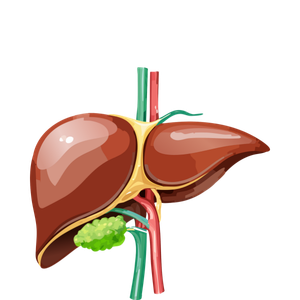
Dedicated Sub-Specialty Training
Focused HPB training completed at an established Indian centre for this field.

Rank Credentials
Second rank nationally in the All India Super Specialty Examination during surgical training.
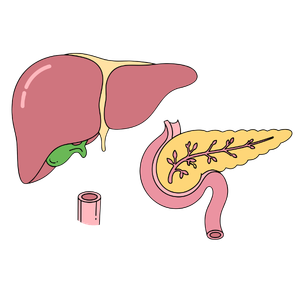
Cross-Organ Evaluation
Liver, pancreas, and bile duct assessed together, not in isolation from one another.

Research Alignment
Documented research interest in gallbladder, pancreas, and bile duct disease specifically.

Complex Case Range
Experience spanning routine gallstone surgery to extensive pancreatic and liver resections.
What Patients Ask About HPB Surgery
What does HPB surgery actually stand for?
Hepato-pancreato-biliary surgery covering surgical conditions of the liver, pancreas, and bile duct system.
Why are these three organs grouped into one specialty?
They share blood supply and drainage pathways so closely that disease in one often involves the others.
Is HPB surgery riskier than general GI surgery?
It tends to be more technically demanding due to vessel proximity, which is why dedicated sub-specialty training matters.
Does jaundice always mean a liver problem?
Not necessarily. It’s often caused by a bile duct blockage between the liver and intestine, needing full HPB evaluation.
How long does HPB surgery recovery usually take?
It varies by procedure, from a few days for simpler cases to one to two weeks or more for extensive resections.
Dealing With a Liver, Pancreas, or Bile Duct Concern?
Symptoms like jaundice, unexplained weight loss, or persistent upper abdominal pain deserve an evaluation that looks at all three organs together, rather than one in isolation, given how closely connected they are. Book a Consultation with Dr. Vasistha Jajal