

Fistula Treatment
Fistula Treatment in Ahmedabad
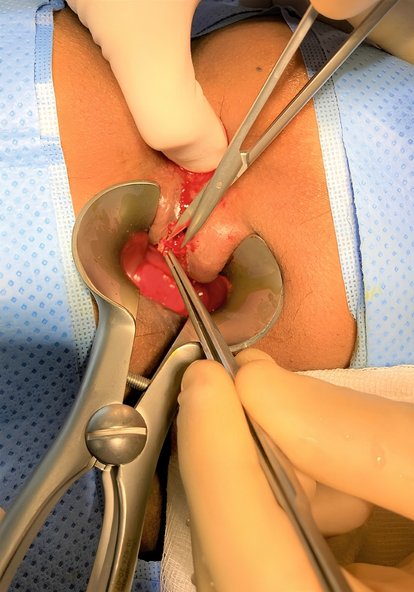
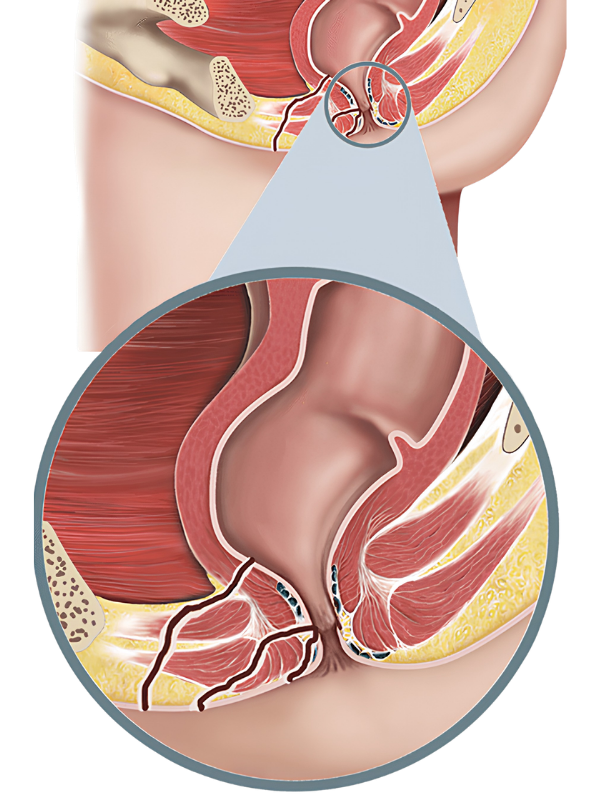
An anal fistula is an abnormal tunnel that forms between the inside of the anal canal and the skin outside it, usually the result of an infection (abscess) that didn’t fully resolve. Unlike a fissure or piles, a fistula doesn’t heal with topical treatment or dietary changes, because the tract itself needs to be identified and addressed surgically the only real question is how that’s done in a way that treats the fistula without affecting the sphincter muscle responsible for bowel control.
Dr. Vasistha Jajal treats anal fistulas by first mapping the tract’s exact path and its relationship to the sphincter muscle, since this relationship more than the fistula’s presence alone determines which surgical technique is appropriate.
What Fistula Treatment Actually Involves
Fistula treatment centres on identifying the tract’s full path and its relationship to the sphincter muscle, since this relationship determines whether it can be opened directly or needs a more staged surgical approach.
Tract Identifcation
Clinical examination and imaging trace the fistula's path from its internal to external opening.
Sphincter Relationship Mapping
MRI fistulogram assesses how much sphincter muscle the tract passes through.
Classification
The fistula is classified as low or high based on its relationship to the sphincter, guiding technique choice.
Surgical Planning
A technique is selected that clears the tract while preserving as much sphincter function as possible.
Staged Treatment When Needed
Complex tracts are sometimes managed in stages using a seton before definitive closure.
How Fistula Treatment Technique is Decided
The single biggest factor in fistula treatment is how much sphincter muscle the tract crosses, since this directly affects the risk of impacting bowel control.
Low fistulas
involving minimal sphincter muscle, are usually treated with a fistulotomy opening the tract fully in a single procedure since the amount of muscle divided is small enough to carry minimal continence risk.
Complex/ branching fistulas
with multiple tracts or connections, need more detailed mapping and often a combination of techniques to address every branch.
High fistulas
passing through a significant portion of the sphincter, generally can’t be opened directly without a meaningful risk to bowel control, and are instead managed with sphincter-preserving techniques or a staged approach.
Recurrent fistulas
persisting after previous treatment, are reassessed with fresh imaging, since a missed branch or an inaccurately treated tract is a common reason for recurrence.
When Should You Seek a Fistula Treatment Specialist?
Fistula symptoms often follow a previous abscess episode, and persistent discharge is usually what distinguishes a fistula from a fissure or piles in a patient’s own description of their symptoms.
Persistent discharge of pus or fluid from an opening
A history of a previous anal abscess that drained
Recurring swelling and pain near the anal area
Dr. Vasistha Jajal’s broader gastrointestinal surgical training includes managing anorectal conditions such as fistulas alongside more complex GI and HPB cases, with particular attention to sphincter-preserving technique given how directly fistula surgery can affect long-term bowel control if the tract’s relationship to the muscle isn’t mapped correctly beforehand.
Across more than 5,000 operations, fistula cases are approached with imaging-led planning as standard, since accurately classifying the tract before surgery is what allows the least invasive technique to be chosen safely, rather than defaulting to the same approach for every presentation.
Fistulotomy for low fistulas typically takes 20 to 30 minutes under spinal or general anaesthesia and is usually a day-care procedure. For high or complex fistulas, initial seton placement is a shorter procedure, with definitive treatment planned as a second stage once the tract has responded to the seton, timed according to how the tissue has settled rather than a fixed schedule.
What Sets This Fistula Treatment Practice Apart
A look at how mapping precision, continence-focused technique, and staged treatment judgment shape outcomes in fistula care specifically.

Case Volume
Over 2,000 operations performed, including anorectal and general GI surgical procedures.

Imaging-Led Planning
MRI fistulogram used routinely to map tract path before technique selection.

Rank Credentials
Second rank nationally in the All India Super Specialty Examination during surgical training

Continence Precision
Sphincter involvement assessed carefully to protect long-term bowel control function.
Staged Treatment Judgment
Seton-based staging used for complex tracts rather than forcing a single-stage fix.

Recurrence-Focused Mapping
Branching tracts identified fully upfront to reduce the chance of missed segments.
What Patients Ask About Fistula Treatment
Can an anal fistula heal without surgery?
No, fistulas rarely close on their own and generally need surgical treatment to fully resolve.
Why do some fistulas need more than one surgery?
High or complex fistulas often need staged treatment with a seton to protect bowel control during healing.
How is a fistula different from a fissure or piles?
A fistula involves an abnormal tunnel with discharge, unlike a fissure’s sharp pain or piles’ painless bleeding.
Will fistula surgery affect bowel control?
The risk depends on sphincter involvement, which is why MRI mapping beforehand is used to minimise that risk.
How long does a seton stay in place before further treatment?
This varies by case, generally several weeks, guided by how the tract responds rather than a fixed timeline.
Can a fistula come back after treatment?
Recurrence can happen, often due to a missed branch, which is why thorough imaging-based mapping matters.
Dealing With Persistent Discharge or a Past Abscess?
Ongoing discharge near the anal area, especially following a previous abscess that was drained, is worth getting properly evaluated rather than managing with wound care alone, since the underlying tract typically needs to be addressed directly. Book a Consultation with Dr. Vasistha Jajal.