Piles Treatment
Piles Treatment in Ahmedabad
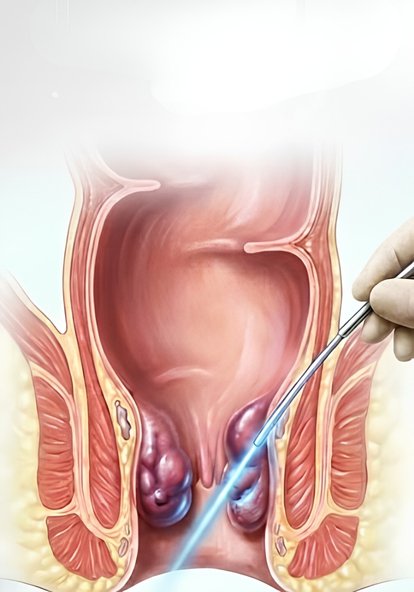
Piles get treated as one condition in casual conversation, but clinically they exist on a graded scale, and that grade not how uncomfortable they feel on a given day is what actually determines the right treatment. A grade one pile and a grade four pile are managed completely differently, even though both fall under the same everyday term, which is why an accurate examination matters more than trying to guess the severity from symptoms alone.
Dr. Vasistha Jajal manages piles across this full grading spectrum from early-stage piles that respond to dietary and medical management, through office-based procedures for moderate cases, to surgical removal for piles that have progressed further or failed less invasive treatment.
What Piles Treatment Actually Involves
Piles treatment is matched to the grade and severity found on examination, ranging from conservative management for early cases to surgical removal for advanced or recurrent ones.
Clinical Examination
A physical and, where needed, proctoscopic examination grades the piles and confirms the diagnosis.
Grade Assessment
Piles are graded one to four based on the degree of prolapse, guiding which treatment level is appropriate.
Conservative Management
Dietary fibre, stool softeners, and topical treatment are typically tried first for early-grade piles.
Office-Based Procedures
Techniques such as banding are considered for piles not responding to conservative measures alone.
Surgical Removal
Higher-grade or persistent piles are treated surgically, removing the affected tissue directly.

Correct grading prevents surgery being offered for piles that respond well to simpler treatment.
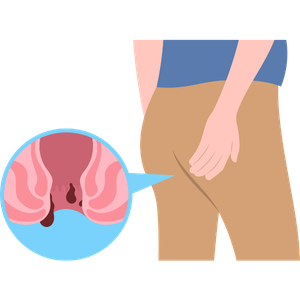
Matching treatment to grade lowers the chance of piles returning shortly after treatment.
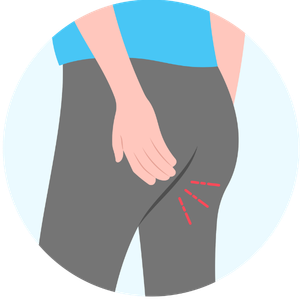
Addressing the correct grade early reduces the frequency of recurring rectal bleeding.

Grade-matched treatment addresses the actual severity rather than only surface symptoms.

Type of Piles Treatment Based on Grades
Piles are graded based on how much they prolapse, or protrude, and this grading directly suggests treatment.
Grade One Piles
which don’t prolapse and are often identified through bleeding alone, are usually managed with dietary changes, fibre supplementation, and topical treatment.
Grade Two Piles
which prolapse with straining but return on their own, often respond to conservative management combined with office-based procedures like banding if symptoms persist.
Grade Three Piles
which prolapse and need to be manually pushed back, typically need more active intervention, often surgical, since conservative measures alone rarely resolve this stage.
Grade Four Piles
which remain prolapsed and can’t be pushed back, almost always need surgical removal, sometimes urgently if associated with significant pain or clotting.
When Should You See a Specialist for Piles Treatment
Piles symptoms are often assumed to be minor and self-managed for long stretches before someone seeks an examination, partly due to discomfort discussing the area directly. Recognising the actual pattern early tends to lead to simpler, less invasive treatment.
Painless bleeding noticed during or after passing stool
A lump or swelling felt around the anal area
Itching or irritation persisting around the anus
Dr. Vasistha Jajal’s broader gastrointestinal surgical training includes managing anorectal conditions like piles alongside more complex GI and HPB cases, with the same grading-based decision-making principle applied consistently matching treatment intensity to the actual severity found on examination, rather than defaulting to surgery for every case that presents.
Across more than 5,000 operations, piles surgery is approached with particular attention to distinguishing it clearly from other anorectal conditions like fissures or fistulas, which can present with overlapping symptoms but need entirely different treatment.
Surgical piles removal (haemorrhoidectomy) is typically performed under general or spinal anaesthesia and takes around 30 to 45 minutes, depending on the number and size of piles being treated. The affected tissue is carefully excised while preserving the surrounding healthy anal tissue, since precision here can influence post-operative comfort and function.
For selected patients, particularly with suitable Grade 2 and Grade 3 haemorrhoids, MIPH (Minimally Invasive Procedure for Hemorrhoids), also known as stapled haemorrhoidopexy, may be considered. Instead of removing the haemorrhoidal tissue directly, the procedure uses a circular stapling device to reposition the prolapsed tissue and reduce its blood supply. It may offer less post-operative discomfort and an earlier return to routine activities compared with conventional haemorrhoidectomy in appropriately selected cases.
What Sets This Piles Treatment Practice Apart
A look at how grading precision, differential diagnosis, and treatment sequencing shape outcomes in piles care specifically.

Case Volume
Over 2,000 operations performed, including anorectal and general GI surgical procedures.
Grading Precision
Treatment intensity matched carefully to examination-confirmed grade, not symptom severity alone.

Differential Diagnosis
Piles distinguished clearly from fissures and fistulas presenting with overlapping symptoms.

Rank Credentials
Second rank nationally in the All India Super Specialty Examination during surgical training.

Conservative-First Approach
Early-grade piles managed medically before surgery is ever considered as an option.

Bleeding Investigation
Persistent bleeding investigated further when needed, rather than assumed to be piles alone.
What Patients Ask About Piles Treatment
Do all piles need surgery?
No, early-grade piles usually respond well to dietary changes and medical treatment without needing surgery.
Is piles surgery very painful?
Some discomfort is expected in the first week, but it’s manageable with pain relief and stool softeners.
Can piles come back after surgery?
Recurrence is uncommon after surgical removal, though maintaining good bowel habits helps prevent new piles forming.
How is bleeding from piles different from other causes?
Piles bleeding is typically painless and bright red; other causes need proper examination to rule out, especially if bleeding persists.
Is banding a permanent solution for piles?
Banding works well for many grade two cases, though some patients eventually need surgery if piles progress further.
How long until I can sit normally after piles surgery?
Most patients manage sitting comfortably within one to two weeks, with full comfort returning as healing completes.
Dealing With Piles Symptoms You've Been Managing Alone?
Bleeding or discomfort that's been managed with over-the-counter creams for months is worth getting properly examined, since an accurate grade is the only reliable way to know whether simpler treatment will still work or whether the condition has progressed. Book a Consultation with Dr. Vasistha Jajal and get your condition evaluate.