

Pancreatitis Treatment

Pancreatitis Treatment in Ahmedabad

Pancreatitis isn’t managed the same way twice, even in the same patient. A mild, first-time episode might resolve with a few days of hospital observation and fluids, while a severe episode can involve intensive monitoring, delayed feeding, and in some cases intervention weeks later once the initial inflammation has settled. The severity at presentation, more than the diagnosis itself, is what determines the entire treatment plan from day one.

Dr. Vasistha Jajal manages both acute pancreatitis sudden inflammation often triggered by gallstones or alcohol and chronic pancreatitis, the long-term condition that develops after repeated or prolonged inflammation damages the pancreas over time.

What Pancreatitis Treatment Actually Involves

Pancreatitis treatment starts with confirming the cause and grading severity, since these two factors more than the diagnosis alone determine how aggressively the condition needs to be managed.

Cause Identification

Blood tests and imaging identify whether gallstones, alcohol, high triglycerides, or another factor triggered the episode.

Severity Grading

Blood markers and imaging findings within the first 48 hours classify the episode as mild, moderate, or severe.

Supportive Care

Fluid management, pain control, and nutritional support form the backbone of treatment for most acute episodes.

Complication Monitoring

Imaging is repeated to watch for fluid collections, tissue damage, or infection developing around the pancreas.

Cause-Specific Intervention

Gallstones, ductal blockage, or other identified causes are addressed once the acute inflammation has stabilised.

Prevents Complications

Correct early management reduces the risk of infected tissue or fluid collections developing.

Avoids Premature Surgery

Delaying intervention until inflammation settles reduces surgical risk significantly.

Reduces ICU Escalation

Early severity grading helps route severe cases to intensive monitoring before deterioration.
Preserves Pancreatic Function

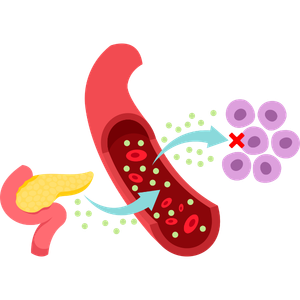
Timely, appropriately sequenced care helps protect long-term digestive and hormonal function.

Acute vs. Chronic Pancreatitis Management

Acute and chronic pancreatitis, while related, are managed on entirely different timelines and with different goals.

Mild acute pancreatitis

typically resolves within a few days of hospital-based supportive care, with the underlying cause most often gallstones addressed once the episode settles, sometimes during the same admission.

Chronic Pancreatitis

is managed as an ongoing condition pain control, enzyme supplementation, and monitoring for complications like duct stones or strictures that may need separate treatment over time.

Severe acute pancreatitis

requires closer monitoring, often in an intensive care setting, given the risk of complications like infected pancreatic tissue or organ dysfunction developing over the following days to weeks.

Gallstone pancreatitis

usually needs gallbladder removal to prevent recurrence, timed either during the same admission for mild cases or after recovery for more severe ones.

When Should You See a Pancreatitis Treatment Specialist?

Acute pancreatitis symptoms tend to appear suddenly and severely, while chronic pancreatitis symptoms build more gradually across repeated episodes. Both patterns are worth recognising, since the urgency of response differs between them.

Sudden, severe upper abdominal pain radiating backward

Fever accompanying abdominal pain and general unwellness

Pain worsening steadily rather than easing with time

Repeated pancreatitis episodes over preceding months or years

Persistent nausea and vomiting alongside abdominal pain

Unexplained weight loss with ongoing digestive discomfort
Dr. Vasistha Jajal's Experience with Pancreatitis Cases

Dr. Vasistha Jajal’s research interests through his super-specialty training have specifically included pancreas and bile duct disease, directly relevant to managing pancreatitis across its full severity range from straightforward gallstone-triggered episodes to more complex, complication-prone presentations. Deciding when gallbladder removal should happen during the same admission versus after recovery is a judgment made on severity grading, not a fixed rule applied uniformly.

Across more than 5,000 operations, his focused hepato-pancreato-biliary training from his time at one of India’s established centres for GI and HPB surgery underpins the management of complications such as infected fluid collections or duct-related chronic pancreatitis issues when they arise.

Years of Experience
0 +
Surgeries Performed
4500 +
Key Surgical Areas
0 +
Start Your Surgical Journey in Three Simple Steps

Reach out to the clinic by phone or fill out the online consultation form.

Book Your Appointment

Choose a convenient consultation time and confirm your appointment.

Meet Dr. Vasistha Jajal for an evaluation and discuss your treatment options


When Pancreatitis Intervention Becomes Necessary

Most acute pancreatitis is managed without surgery during the initial episode. Intervention becomes necessary when gallstones need removal to prevent recurrence, when infected fluid collections around the pancreas require drainage, or when chronic pancreatitis has led to duct stones or strictures needing dedicated treatment. These interventions, where needed, are planned once the acute inflammatory phase has stabilised, using imaging findings to guide the specific approach  endoscopic drainage, laparoscopic gallbladder removal, or, less often, surgical duct drainage for chronic cases.

+91-96874 86618

What Sets This Pancreatitis Treatment Practice Apart

A look at how severity judgment, research focus, and complication management shape outcomes in pancreatitis care specifically.

Case Volume

Over 2,000 operations performed, including hepato-pancreato-biliary and gallstone-related procedures.
Research Focus

Specific research interest in pancreas and bile duct disease during super-specialty training.

Rank Credentials

Second rank nationally in the All India Super Specialty Examination during surgical training.

Severity-Based Timing

Gallbladder surgery timed according to episode severity, not applied uniformly to every case.

Complication Readiness

Experience managing infected fluid collections and duct-related chronic pancreatitis issues.

Long-Term Monitoring

Chronic pancreatitis followed over time, not treated as a single resolved episode.

What Patients Ask About Pancreatitis Treatment

No. Gallstones and high triglyceride levels are common causes too, and the trigger is confirmed through testing, not assumed.

No, most mild episodes resolve with supportive care alone; surgery is typically needed only to address gallstones or complications.

In more severe episodes, delaying surgery until inflammation settles reduces surgical risk compared to operating immediately.

Chronic pancreatitis is managed long-term rather than cured, focusing on pain control and preventing further pancreatic damage.

Mild cases often resolve within a week, while severe cases with complications can require several weeks of care.

Yes, particularly if the underlying cause, such as untreated gallstones or continued alcohol use, isn’t fully addressed.

Managing a Pancreatitis Episode or Recurring Symptoms?

Sudden, severe abdominal pain that radiates toward the back needs urgent same-day assessment rather than waiting to see if it settles on its own. Book a consultation with Dr. Vasistha Jajal and get your condition evaluated.

About Us

Dr. Vasistha Jajal is a Gastrointestinal and Hepato-Pancreato-Biliary (HPB) Surgeon in Ahmedabad with 10+ years of experience in gastrointestinal surgery. His practice includes laparoscopic, robotic, HPB and gastrointestinal cancer surgery, along with endoscopic procedures. With 5,000+ gastrointestinal and hepatobiliary operations performed, he provides surgical evaluation and treatment for a wide range of digestive, liver, pancreas, gallbladder and bile duct conditions.

Copyright © 2026 Dr. Vasistha Jajal | Designed by EEG Technogeeks 

Scroll to Top