
Pancreatic Stone Treatment
Pancreatic Stone Treatment in Ahmedabad
Pancreatic stones aren’t the same as gallstones, even though the two get confused fairly often. These stones form inside the pancreatic duct itself, usually as a consequence of chronic pancreatitis — long-term inflammation of the pancreas — and their presence tends to block the flow of digestive enzymes, which is what drives the recurring pain many patients describe as one of the more difficult symptoms to manage day to day.
Dr. Vasistha Jajal treats pancreatic duct stones along a spectrum that includes endoscopic removal for smaller, accessible stones and surgical duct drainage procedures for larger stones or ducts blocked at multiple points. This page explains how stone size and duct anatomy determine the treatment path, what a surgical drainage procedure actually involves, and what recovery looks like when endoscopy alone isn’t enough.
What Pancreatic Stone Treatment Actually Involves
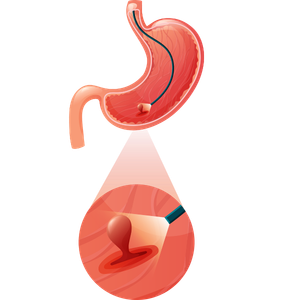
Pancreatic stone treatment ranges from endoscopic techniques that remove or fragment stones through the natural duct opening, to surgical procedures that create a wider drainage pathway when stones or scarring have narrowed the duct significantly.
Imaging Confirmation
CT or MRCP imaging maps stone location, size, and how much the duct has narrowed or widened around them.
Endoscopic Attempt
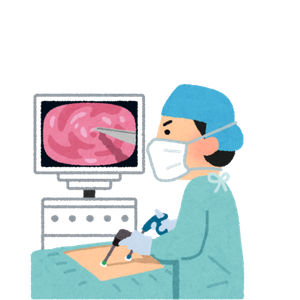
ERCP, sometimes combined with lithotripsy to fragment larger stones, is typically tried first for accessible stones.
Response Assessment
How completely the duct clears endoscopically determines whether further intervention is needed.
Surgical Planning
For stones endoscopy can't fully clear, a surgical drainage procedure is planned based on duct width and stone distribution.
Duct Reconstruction
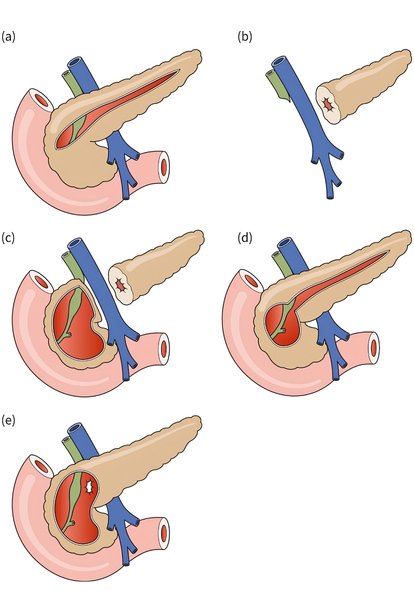
Surgery opens the duct along its length and reroutes it to drain directly into the intestine, bypassing the blockage.

Clearing duct obstruction directly addresses the pressure causing recurring pancreatic pain.
Timely duct drainage helps protect remaining enzyme and hormone-producing tissue.
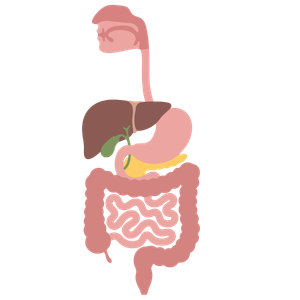
Restored enzyme flow helps address digestive symptoms linked to chronic blockage.
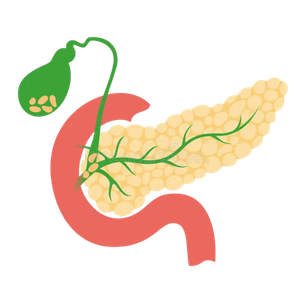
Surgery can clear stones distributed across the duct that endoscopy alone can't reach.
Why Surgery Sometimes Follows a "Failed" Endoscopy
When ERCP can’t fully clear the duct, it isn’t a sign that endoscopy was the wrong first step, it’s still the appropriate first attempt for most cases, given how much less invasive it is. Surgical drainage becomes the next step specifically because it can address a wider, more complex pattern of blockage that endoscopic tools aren’t designed to reach.
When Should You See a Pancreatic Stone Surgeon?
Pancreatic duct stones often build gradually alongside chronic pancreatitis, meaning symptoms are frequently attributed to “flare-ups” for a long time before duct blockage is specifically identified as the underlying cause.
Recurring upper abdominal pain radiating toward the back
Pain worsening within an hour of eating meals
Unexplained weight loss despite normal or increased appetite
Dr. Vasistha Jajal’s research interests through his super-specialty training have specifically included pancreas and bile duct disease, directly relevant to assessing when pancreatic duct stones are better managed endoscopically versus surgically. This distinction depends on detailed imaging review, duct width, stricture location, and stone distribution rather than treating every case with the same first-line approach.
Across more than 5,000 operations, his focused hepato-pancreato-biliary training from his time at one of India’s established centres for GI and HPB surgery underpins the surgical drainage procedures offered when endoscopic clearance alone isn’t sufficient.
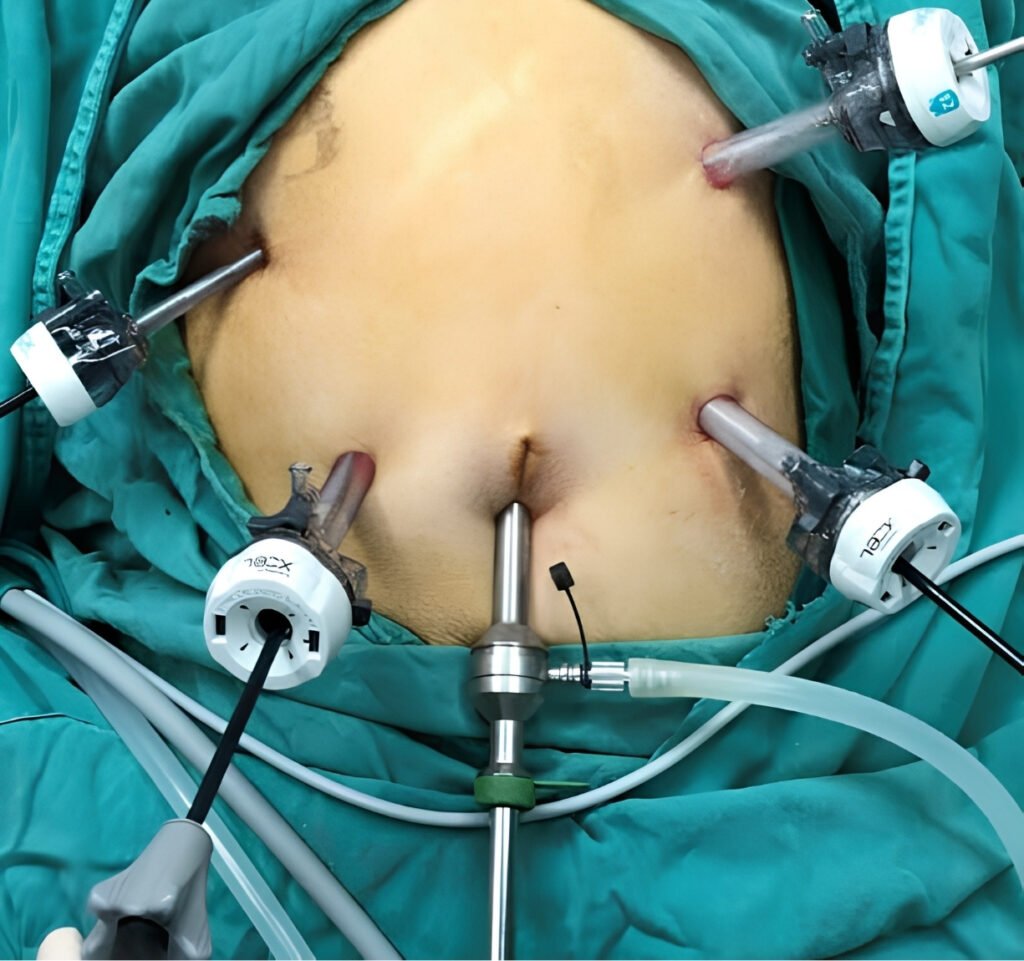
Surgical duct drainage, often performed as a lateral pancreaticojejunostomy, involves opening the pancreatic duct along its length, clearing stones directly, and connecting it to a loop of intestine to allow enzymes to drain freely going forward. This procedure typically takes two to three hours under general anaesthesia, depending on duct anatomy and the extent of chronic inflammation present. In some cases, this drainage procedure is combined with a partial pancreatic resection if there’s a localised area of severe disease.
What Sets This Pancreatic Stone Treatment Practice Apart
A look at how research focus, imaging precision, and treatment sequencing shape outcomes in pancreatic duct disease specifically.

Case Volume
Over 2,000 operations performed, including hepato-pancreato-biliary procedures.
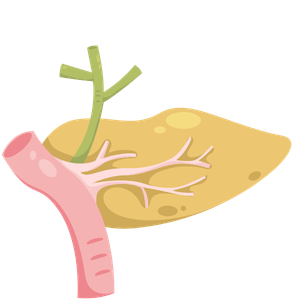
Research Focus
Specific research interest in pancreas and bile duct disease during super-specialty training.

Rank Credentials
Second rank nationally in the All India Super Specialty Examination during surgical training
Sequenced Approach
Endoscopic options assessed thoroughly before surgical drainage is ever recommended.
Duct Mapping Precision
Detailed imaging review guides whether stricture, stone spread, or both drive the plan.

Function Preservation
Treatment planned with long-term pancreatic function in mind, not just stone removal.
What Patients Ask About Pancreatic Stone Treatment
Are pancreatic stones the same as gallstones?
No. Pancreatic stones form inside the pancreatic duct, usually from chronic pancreatitis, unrelated to gallbladder disease.
Can pancreatic duct stones be treated without surgery?
Many smaller stones are cleared endoscopically with ERCP, sometimes combined with lithotripsy to fragment larger ones.
Why would ERCP fail to clear pancreatic stones?
Stones that are too large, too hard, or scattered across a widened duct are often beyond what endoscopic tools can fully clear.
Is pancreatic duct surgery major surgery?
Yes, surgical duct drainage is a more involved procedure than endoscopy, typically needing a longer hospital stay.
Can pancreatic stones come back after treatment?
Recurrence is possible if the underlying chronic pancreatitis and its causes, such as alcohol use, aren’t also addressed.
Dealing With Recurring Pancreatic Pain?
Pain that keeps returning after meals, especially alongside weight loss or digestive changes, is worth investigating with proper imaging rather than managing episode by episode. Consult Dr. Vasistha Jajal today.