
Hiatus Hernia Surgery
Hiatus Hernia Surgery in Ahmedabad
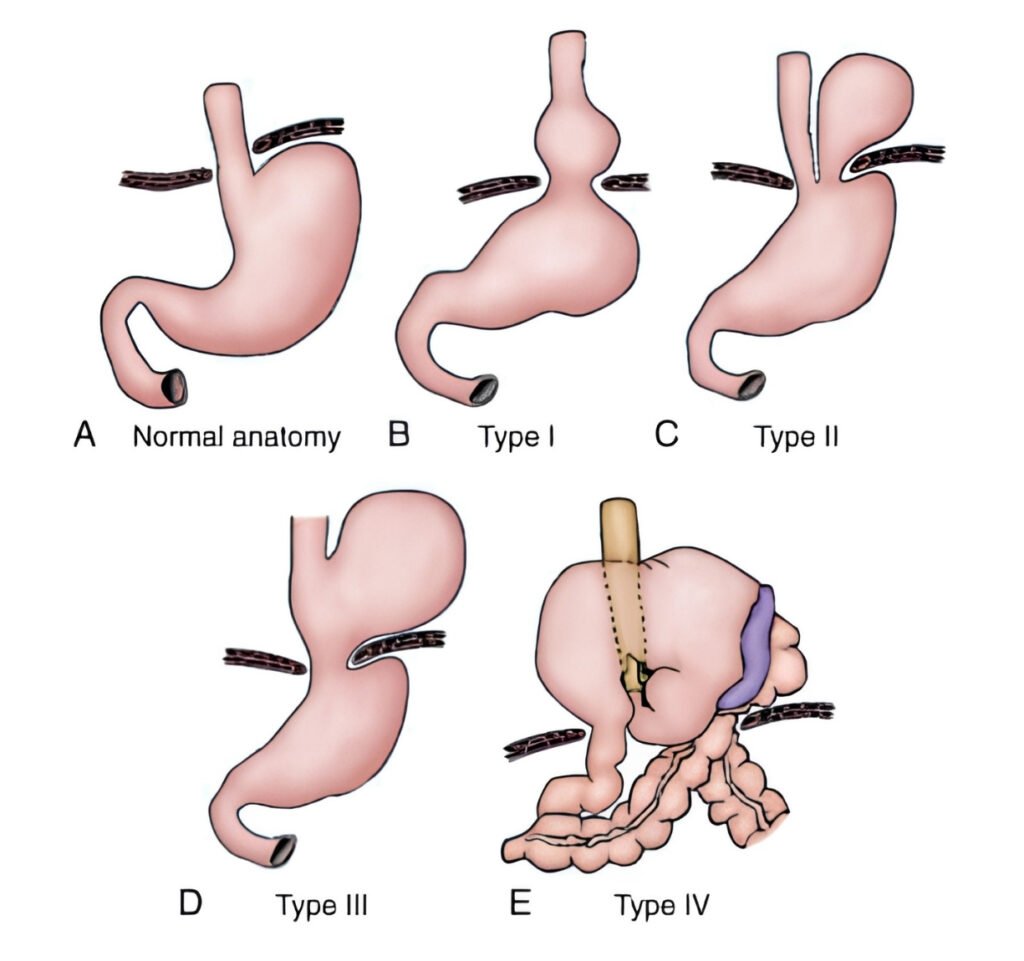
A hiatus hernia occurs when part of the stomach pushes upward through the diaphragm, into the chest cavity, through an opening meant only for the food pipe (oesophagus) to pass through. This is different from a reflux problem in the stomach itself it’s a structural opening that’s widened beyond its normal size, which is why medication aimed at reducing acid often can’t fully resolve the symptoms it causes.
Dr. Vasistha Jajal repairs hiatus hernias laparoscopically, most often alongside a fundoplication procedure to restore the valve mechanism at the base of the oesophagus. This page explains the difference between hernia types, when repair is actually needed, what the surgery involves, and how it relates to but isn’t identical to standard reflux treatment.
What Hiatus Hernia Surgery Actually Involves
Hiatus hernia surgery pulls the displaced stomach back into the abdomen and narrows the diaphragm opening, addressing the structural gap rather than only the symptoms it produces.
Hernia Confirmation
Endoscopy or a barium swallow study confirms the hernia's size and type before surgery is planned.
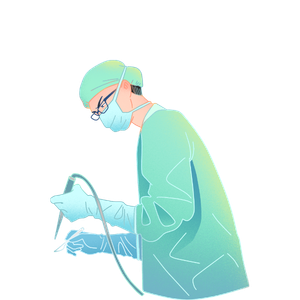
Small Incision Access
Small incisions allow a camera and instruments to reach the diaphragm and upper stomach.
Stomach Repositioning
The displaced portion of the stomach is gently pulled back down into its normal position in the abdomen.
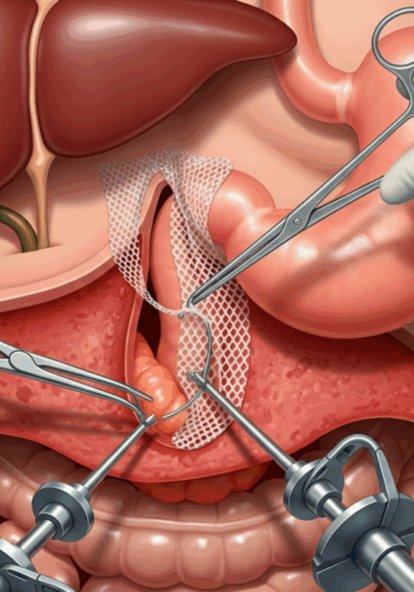
Crural Repair
The diaphragm opening (crura) is narrowed with sutures, sometimes reinforced with mesh for larger defects.
Fundoplication Addition
The upper stomach is often wrapped around the lower oesophagus in the same operation to prevent reflux recurrence.

Repositioning the stomach reduces the pressure and discomfort a large hernia can cause.

Repair reduces the risk of stomach twisting (volvulus) possible with larger, untreated hernias.
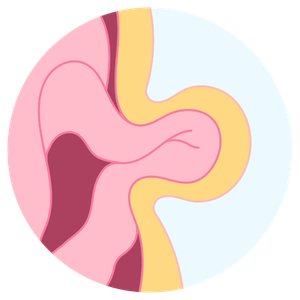
Combined crural repair and fundoplication lowers the chance of the hernia returning.

Correcting a large hiatus hernia often improves swallowing difficulty caused by displacement.
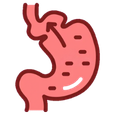
Why Paraesophageal Hernias Are Treated More Urgently
Because paraesophageal hernias carry a real, if uncommon, risk of the trapped stomach portion twisting on itself and losing blood supply, surgery is generally recommended even in patients with mild or no symptoms once this hernia type is confirmed a different approach from sliding hernias, which are often managed based on symptom severity alone.
When Should You See a Hiatus Hernia Specialist?
Hiatus hernia symptoms often overlap with ordinary reflux, which is part of why the structural cause frequently goes undiagnosed until imaging is specifically done. Certain symptoms, particularly related to fullness or swallowing, tend to point toward the hernia itself rather than reflux alone.
Heartburn poorly controlled despite regular medication
Chest discomfort or pressure after eating meals
Feeling full quickly even with small portions
Dr. Vasistha Jajal’s laparoscopic training includes direct experience with both crural repair and fundoplication, procedures typically performed together when a hiatus hernia is contributing to reflux that hasn’t responded adequately to medication. Distinguishing between a sliding hernia that can be monitored and a paraesophageal hernia needing more urgent repair is a judgment made on imaging findings specific to each case.
Across more than 5,000 operations, this combined structural approach reflects the same principle applied throughout his broader GI surgical practice treating the anatomical cause directly rather than only managing symptoms, informed by his GI and HPB super-specialty training following a second-rank result in the All India Super Specialty Examination.
Laparoscopic hiatus hernia repair, combined with fundoplication, typically takes 60 to 90 minutes under general anaesthesia. Larger paraesophageal hernias or cases with dense scarring around the diaphragm can take longer and occasionally require mesh reinforcement of the repair. If anatomy is unclear or bleeding risk is significant, the approach may be adjusted or, rarely, converted to open surgery for safety.
What Sets This Hiatus Hernia Surgery Practice Apart
A look at how diagnostic precision, procedure combination, and case-type judgment shape outcomes in hiatus hernia repair specifically.

Case Volume
Over 2,000 operations performed, with laparoscopic technique applied consistently across GI surgery.

Combined Repair
Crural repair and fundoplication performed together when both are clinically indicated.

Rank Credentials
Second rank nationally in the All India Super Specialty Examination during surgical training.

Type-Based Urgency
Paraesophageal hernias flagged for timely repair regardless of symptom severity present.
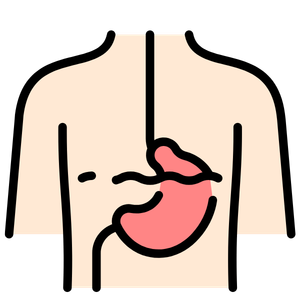
Functional Testing
Manometry and swallow studies used to confirm findings before surgery is planned.
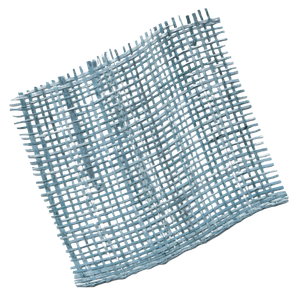
Mesh Judgment
Mesh reinforcement used selectively for larger defects, not applied to every repair.
What Patients Ask About Hiatus Hernia Surgery
Is a hiatus hernia the same as GERD?
No. A hiatus hernia is a structural opening that can cause or worsen reflux, but they’re not identical conditions.
Can a hiatus hernia be treated without surgery?
Small, sliding hernias with mild symptoms are often managed with medication; larger or paraesophageal ones usually need repair.
How large does a hiatus hernia need to be for surgery?
Size matters less than hernia type and symptom severity paraesophageal hernias are often repaired even when small.
Is hiatus hernia surgery combined with reflux surgery?
Yes, in most cases the hernia repair and fundoplication are performed together in the same operation.
How soon can I eat normally after hiatus hernia surgery?
Most patients move from liquids to soft foods over about two weeks before gradually resuming a full normal diet.
Living With Reflux That Medication Hasn't Fixed?
If reflux symptoms haven't improved despite consistent medication, or if you're noticing early fullness or swallowing difficulty alongside heartburn, it's worth getting imaging done to check whether a hiatus hernia is the actual cause. Book your consultation with Dr. Vasistha Jajal today.