

Reflux (GERD)
GERD & Reflux Treatment in Ahmedabad
Almost everyone gets heartburn occasionally, which is exactly why persistent reflux tends to get self-managed with over-the-counter antacids for far longer than it should be. The distinction that actually matters clinically isn’t how uncomfortable the reflux feels, but how often it happens, how long it’s been going on, and whether it’s already begun affecting the food pipe (oesophagus) itself.
Dr. Vasistha Jajal manages GERD (gastroesophageal reflux disease) along the full range it presents in from cases that respond well to medication and lifestyle changes, to cases where the valve between the stomach and oesophagus has weakened enough that surgery becomes the more durable option. This page explains how that distinction gets made, when endoscopy is needed, what laparoscopic fundoplication actually involves, and when it’s the right call versus continuing medical management.
What GERD Treatment Actually Involves
GERD treatment ranges from acid-suppressing medication and dietary changes to a surgical procedure that restores the valve mechanism preventing acid from moving backward into the oesophagus.
Symptom Review
Frequency, timing, and triggers of reflux are reviewed to distinguish occasional heartburn from GERD.
Endoscopy Evaluation
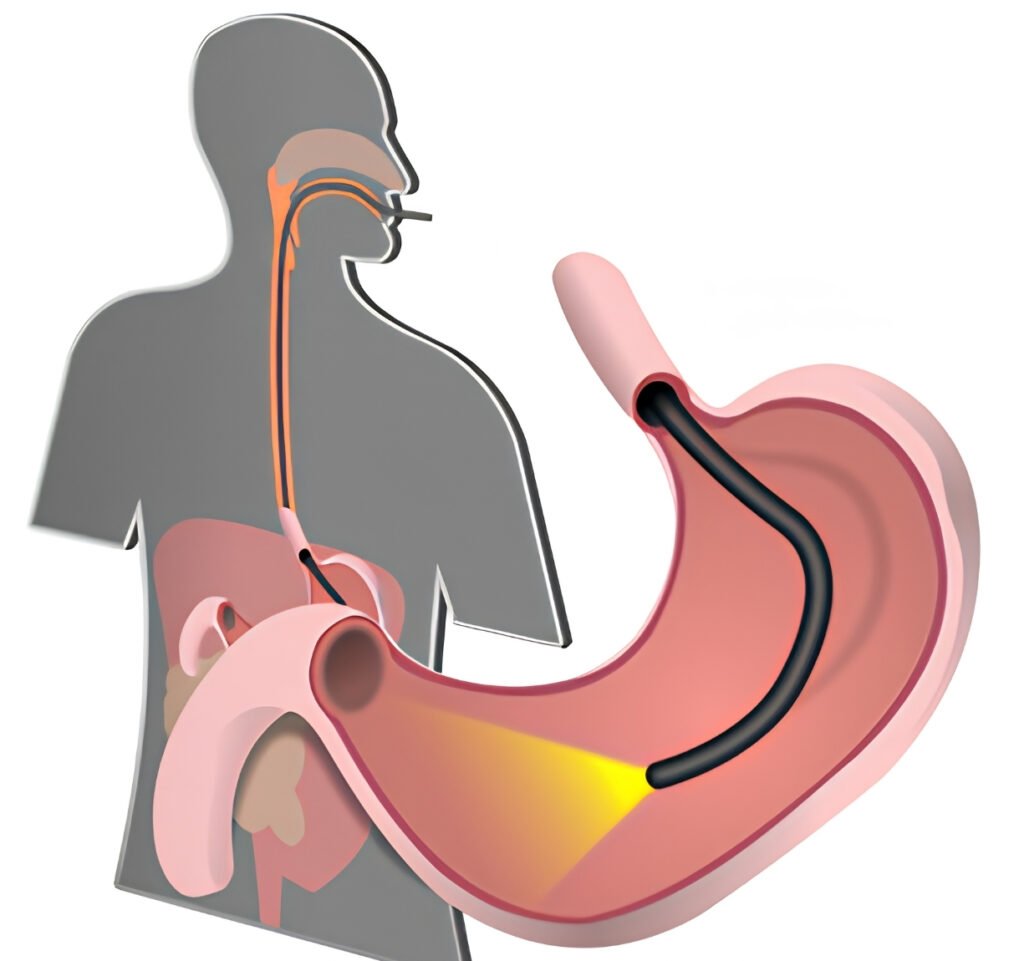
An endoscopy examines the oesophageal lining for inflammation, erosion, or early changes caused by chronic acid exposure.
Medical Trial
Acid-suppressing medication is typically tried first, alongside specific dietary and positional adjustments.
Response Monitoring
How well symptoms respond to medication over several weeks helps determine whether further intervention is needed.
Surgical Consideration
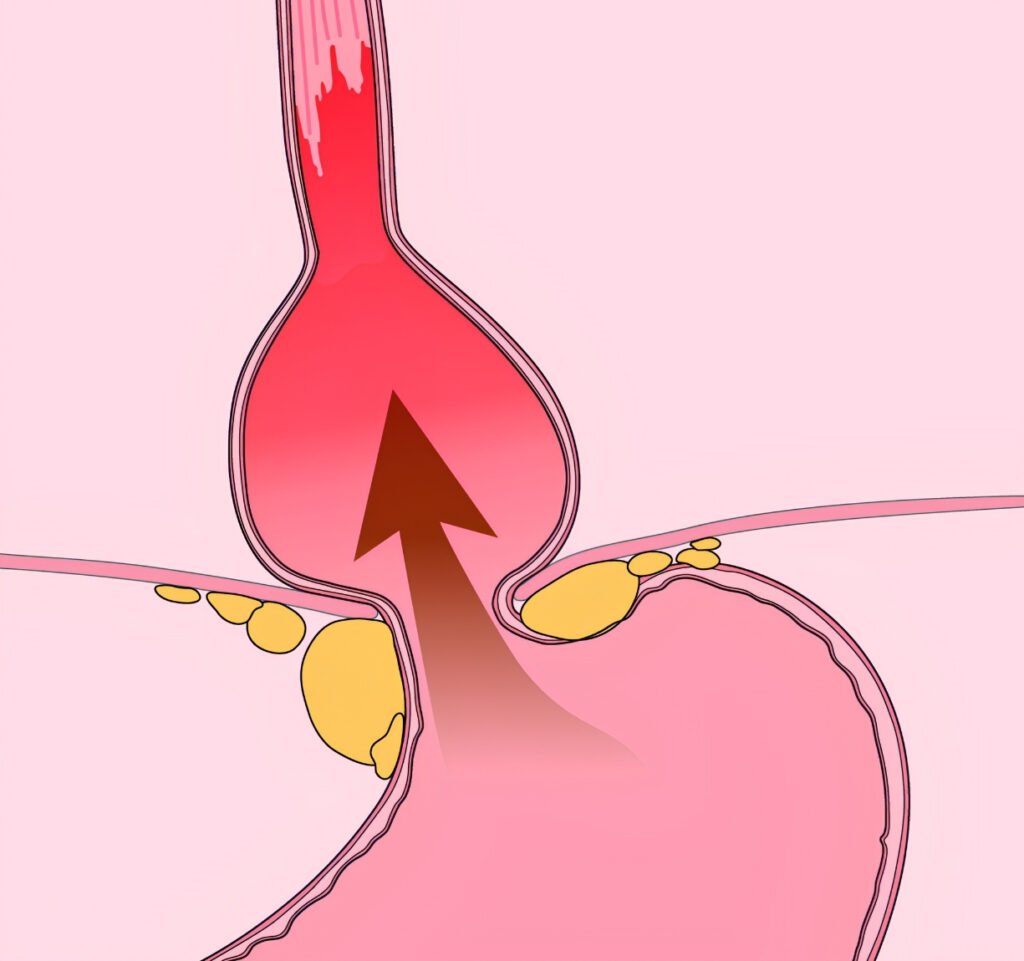
Laparoscopic fundoplication is considered when symptoms persist despite medication, or when a hiatus hernia is contributing to the reflux.
When Should You Seek GERD Specialist
Reflux symptoms often get dismissed as ordinary indigestion for months before someone seeks a proper evaluation. The frequency and pattern of symptoms rather than their intensity on any single day is usually what separates GERD from occasional heartburn.
Heartburn occurring more than twice a week
Regurgitation of acid or food into the throat
Chronic cough unrelated to cold or allergy
Dr. Vasistha Jajal’s laparoscopic surgical training extends directly to fundoplication and hiatus hernia repair, procedures that address the mechanical cause of reflux rather than only its symptoms. Assessing when a patient has moved from “manageable with medication” to “better served by surgery” draws on the same endoscopy and imaging-based decision-making applied across his broader GI surgical practice.
Across more than 5,000 operations, laparoscopic technique remains the default approach for reflux surgery, informed by his GI and HPB super-specialty training following a second-rank result in the All India Super Specialty Examination.
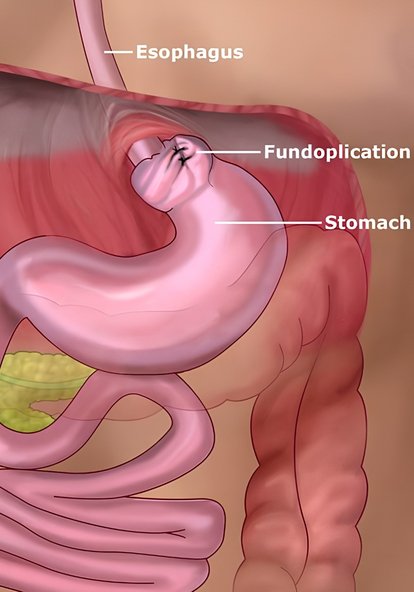
Laparoscopic fundoplication takes around 60 to 90 minutes under general anaesthesia. The procedure involves repairing any hiatus hernia present and wrapping the top portion of the stomach around the lower oesophagus to reinforce the weakened valve, restoring its ability to prevent acid from moving backward. If dense scarring or unclear anatomy is found during surgery, the approach may be adjusted or, rarely, converted to open surgery for safety.
What Sets This Reflux Treatment Practice Apart
A look at how diagnostic thoroughness, surgical training, and treatment sequencing shape outcomes in reflux care specifically.

Case Volume
Over 2,000 operations performed, with laparoscopic technique applied consistently across GI surgery.
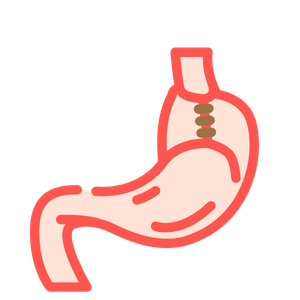
Mechanical Focus
Fundoplication training specifically targets the valve mechanism causing reflux, not just symptoms.

Rank Credentials
Second rank nationally in the All India Super Specialty Examination during surgical training.

Structured Trials
Medication and lifestyle changes assessed properly before surgery is ever discussed.
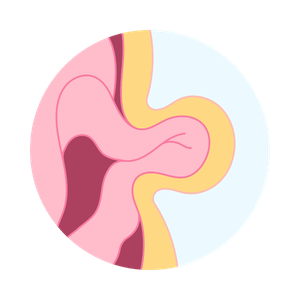
Hernia Correlation
Hiatus hernia repair combined with fundoplication when both are contributing to reflux
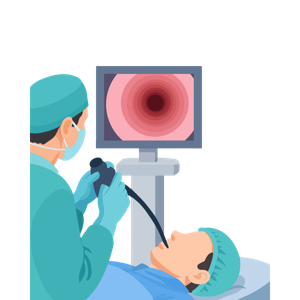
Endoscopy-Led Decisions
Every surgical recommendation grounded in direct visual findings, not symptoms alone.
What Patients Ask About GERD Treatment
Is GERD the same as normal acid reflux?
No. Occasional reflux happens to most people; GERD refers to reflux that’s frequent, persistent, and often needs active management.
Can GERD be cured completely with medication?
Medication controls symptoms effectively for many people but doesn’t fix the underlying valve weakness causing the reflux.
Is surgery the only option if medication isn't working?
Not always immediately. Further testing is done first to understand why symptoms persist before surgery is even discussed.
How long does it take to recover from fundoplication surgery?
Most patients return to normal activity within two to three weeks, with dietary adjustment settling over that period too.
Can untreated GERD lead to cancer?
Long-standing, poorly controlled GERD can lead to changes that raise oesophageal cancer risk, which is why persistent cases need evaluation
Dealing With Reflux That Won't Settle?
If antacids have become a daily habit rather than an occasional fix, or if reflux is disturbing your sleep or causing a persistent cough, it's worth getting evaluated properly. Book a Consultation with Dr. Vasistha Jajal today.