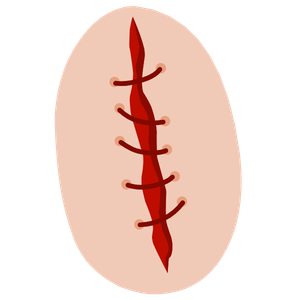
Hernia Surgery

Hernia Surgery in Ahmedabad

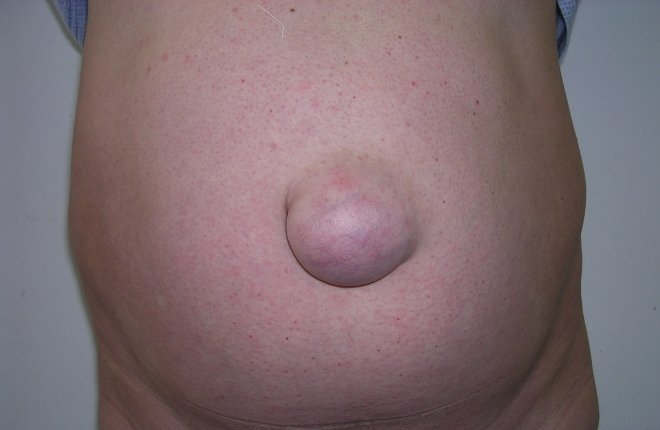
A hernia doesn’t heal on its own, and it doesn’t stay the same size indefinitely either. Once a section of tissue pushes through a weak point in the abdominal wall, the opening tends to widen gradually with time, coughing, lifting, or straining which is why “watch and wait” is only ever a short-term plan, not a long-term one, for most hernias that are already causing symptoms.

Dr. Vasistha Jajal repairs inguinal, umbilical, and incisional hernias, along with recurrent hernias that have reopened after a previous repair, using laparoscopic technique in most cases and robotic assistance for select complex or recurrent defects. This page explains how hernias are assessed, why mesh is used in most repairs, what the operation involves, and what determines whether a case is straightforward or complex.

What Hernia Surgery (Herniorrhaphy) Actually Means

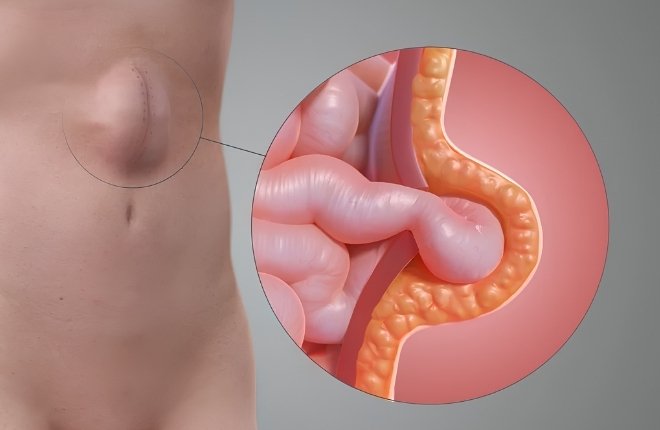
Hernia surgery closes the weak point in the abdominal wall and reinforces it, most often with a synthetic mesh, to reduce the chance of the defect reopening later.

Defect Confirmation

Clinical examination, sometimes supported by ultrasound, confirms the hernia's location and size before surgery.

Small Incision Access

Three small incisions allow a camera and instruments to reach the defect from inside the abdominal wall.

Tissue Reduction

The protruding tissue or organ is gently guided back into its normal position within the abdomen.

Mesh Placement

A synthetic mesh is positioned over or behind the defect to reinforce the weakened area.

Mesh Fixation

The mesh is secured in place, either with sutures, tacks, or its own self-adhering surface depending on type.

Smaller Incisions

A few centimetre-wide cuts replace one long incision, meaning less cutting through abdominal muscle.
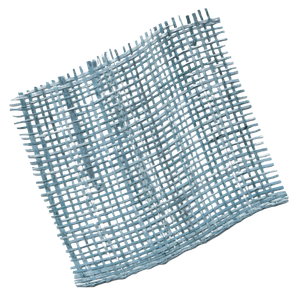
Lower Recurrence

Mesh reinforcement significantly reduces the chance of the same hernia reopening later.

Faster Return to Work

Most patients resume desk-based work within one to two weeks after surgery.
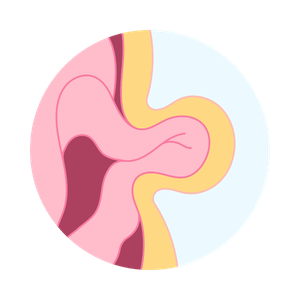
Less Post-Op Pain

Reduced muscle cutting means milder pain in the days following surgery.
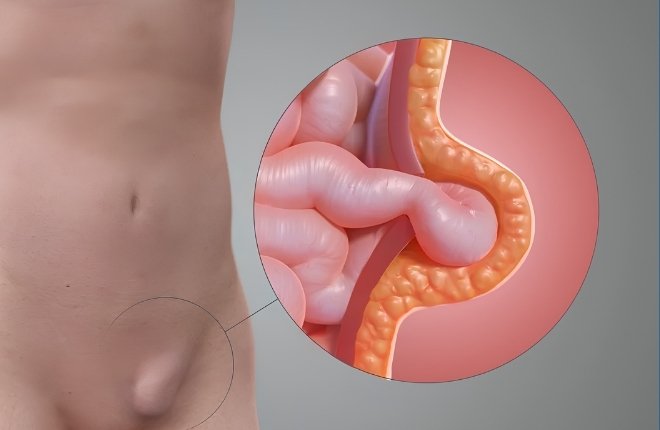
Hernia Treatment Depends on Type of Hernia

Hernias are grouped by where they occur, and the location changes both the surgical approach and the urgency involved.

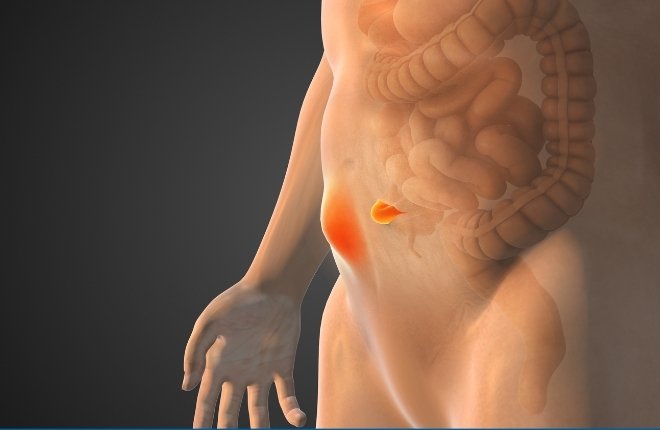
Inguinal Hernias

occurring in the groin, are the most common type and are usually repaired laparoscopically with mesh, often as day-care or overnight surgery.

Umbilicial Hernias

occurring near the navel, are common after pregnancy or in people with raised abdominal pressure, and are repaired similarly, with mesh size adjusted to the defect.

Incisional Hernias

occurring at the site of a previous surgical scar, tend to be larger and more complex, sometimes needing robotic assistance for precise mesh placement in scarred tissue.

Recurrent Hernias

reopened after a prior repair, are assessed individually since previous surgery changes the anatomy and scar tissue involved.

When Should You Seek Hernia Treatment

Hernia symptoms often start subtly, a bulge that seems to come and go before becoming a more constant, noticeable presence. How the bulge behaves under pressure or at rest is usually what prompts someone to get it examined rather than ignore it further.

A bulge that appears with standing or straining

Discomfort that worsens with lifting or coughing

Bulge that disappears when lying down flat

Sudden sharp pain with a bulge that won't reduce

Dull ache or heaviness at the bulge site

Nausea or vomiting with a firm, painful bulge
Dr. Vasistha Jajal's Approach to Hernia Cases

Dr. Vasistha Jajal’s laparoscopic and robotic practice includes hernia repair as one of the more frequently performed procedure categories, spanning straightforward inguinal repairs to more complex incisional and recurrent cases. Robotic assistance is offered specifically for defects where mesh placement in scarred or irregular tissue benefits from the added instrument precision, a decision made on imaging findings rather than applied by default.

Across more than 5,000 operations, hernia repair reflects the same decision-making principle used throughout his practice matching the surgical approach to what the specific defect and tissue condition actually require, informed by his broader GI and HPB surgical training following a second-rank result in the All India Super Specialty Examination.

Years of Experience
0 +
Surgeries Performed
4500 +
Key Surgical Areas
0 +
Start Your Surgical Journey in Three Simple Steps

Reach out to the clinic by phone or fill out the online consultation form.

Book Your Appointment

Choose a convenient consultation time and confirm your appointment.

Meet Dr. Vasistha Jajal for an evaluation and discuss your treatment options
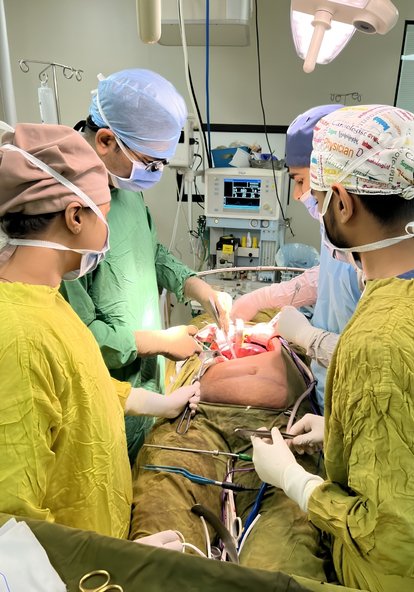

Inside the Operating Room

A standard laparoscopic inguinal or umbilical hernia repair takes around 45 minutes to an hour under general anaesthesia. Incisional and recurrent hernia repairs, particularly larger ones or those approached robotically, can take longer depending on the extent of scar tissue and mesh placement required. If dense adhesions from previous surgery make the laparoscopic or robotic approach unsafe, the operation is converted to open surgery as a safety decision made during the procedure itself.

+91-96874 86618

What Sets This Hernia Surgery Practice Apart

A look at how case range, mesh technique, and complexity handling shape outcomes in hernia repair specifically.

Case Volume

Over 2,000 operations performed, with hernia repair among the regularly performed procedure categories.
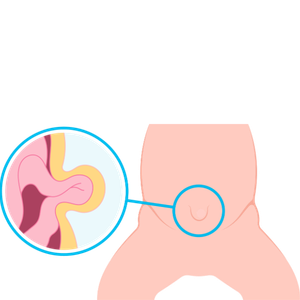
Full Case Range

Experience spanning simpler inguinal repairs to complex incisional & recurrent hernia cases.
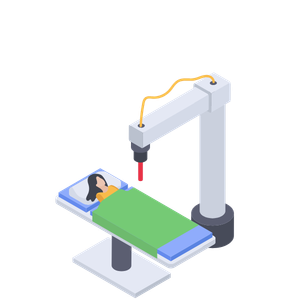
Robotic Option

Robotic assistance available for defects where scarred tissue benefits from added mesh precision.

Rank Credentials

Second rank nationally in the All India Super Specialty Examination during surgical training.
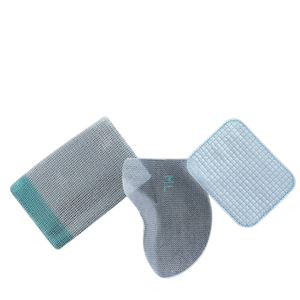
Recurrence Focus

Mesh selection & fixation along with long-term durability as the primary consideration.

Conversion Honesty

Open surgery chosen mid-operation whenever dense scarring makes it the safer option.

What Patients Ask About Hernia Surgery

Small, painless hernias are sometimes monitored, but most eventually enlarge or become symptomatic enough to need repair.

Yes, mesh repair is a standard, widely used technique that significantly lowers the chance of the hernia recurring.

Properly placed mesh is designed to be a permanent, long-term repair rather than something needing replacement.

Recurrence is possible but uncommon with correct mesh placement, more likely with strain before full healing.

Most patients are advised to avoid heavy lifting for four to six weeks to allow the mesh to integrate fully.

Noticed a Bulge That Won't Go Away?

A hernia that's stayed the same size for months can still change quickly, and a bulge that suddenly becomes painful, firm, or won't reduce when lying down needs same-day assessment. Get your condition evaluated by Dr. Vasistha Jajal.

About Us

Dr. Vasistha Jajal is a Gastrointestinal and Hepato-Pancreato-Biliary (HPB) Surgeon in Ahmedabad with 10+ years of experience in gastrointestinal surgery. His practice includes laparoscopic, robotic, HPB and gastrointestinal cancer surgery, along with endoscopic procedures. With 5,000+ gastrointestinal and hepatobiliary operations performed, he provides surgical evaluation and treatment for a wide range of digestive, liver, pancreas, gallbladder and bile duct conditions.

Copyright © 2026 Dr. Vasistha Jajal | Designed by EEG Technogeeks 

Scroll to Top